UI/UX Design Agency in Amsterdam
Our UI/UX design company in Amsterdam works with SME and enterprise teams to improve usability, strengthen key user flows, and support higher adoption and conversion.
on Clutch
completed in various niches
rating on Clutch



Design Services We Offer in Amsterdam
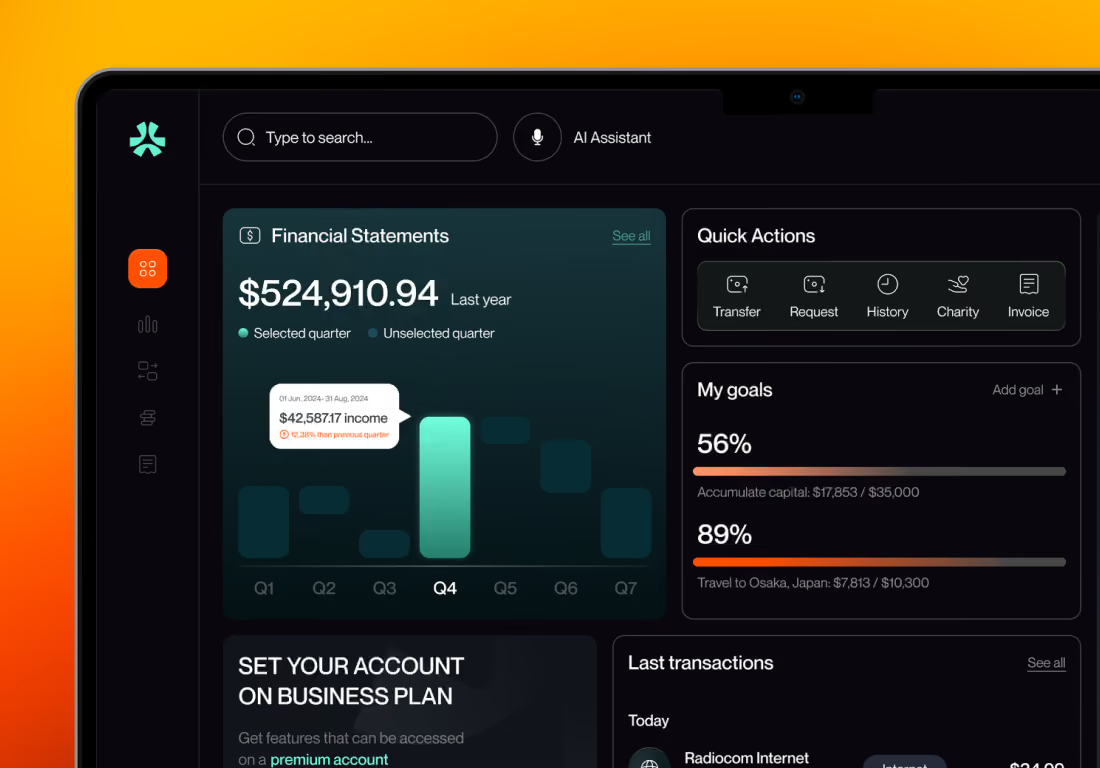
Companies choose our UI/UX design services in Amsterdam when they need design work connected to product priorities from the first stage onward. Arounda brings research, UX, interface design, and design or redesign into one process, with decisions guided by business goals and user behavior.
Selected Work for Amsterdam Enterprises
Over 500 companies have trusted Arounda with complex design work. Explore selected case studies to see our approach and the results clients achieved.

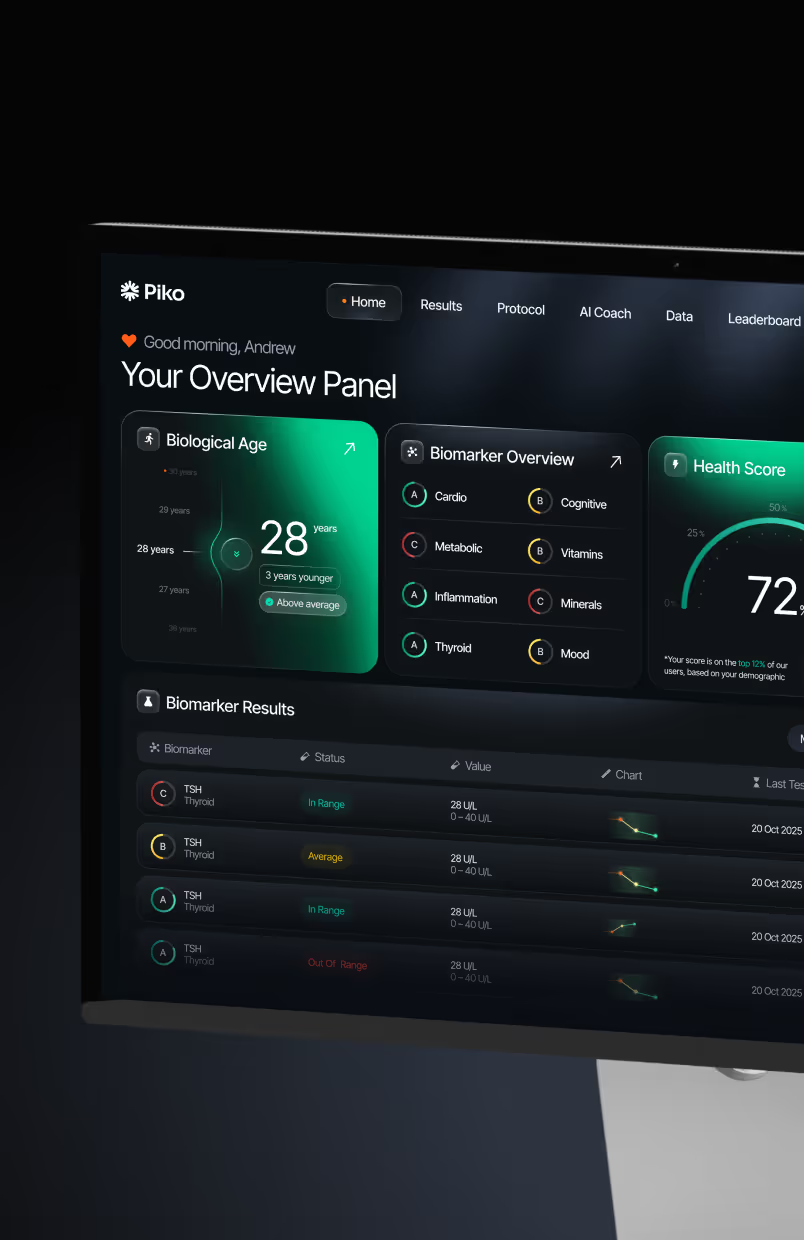
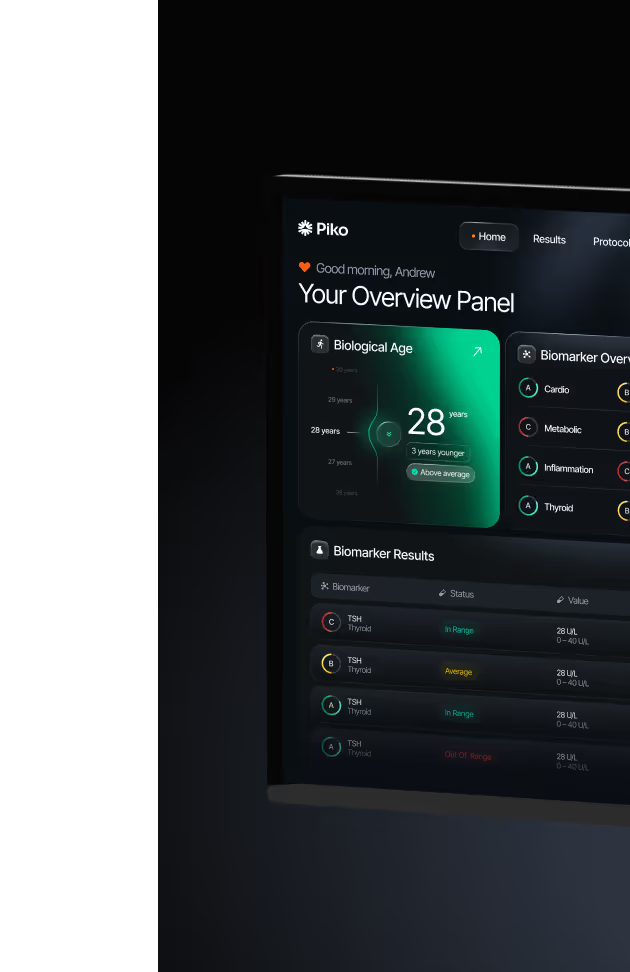
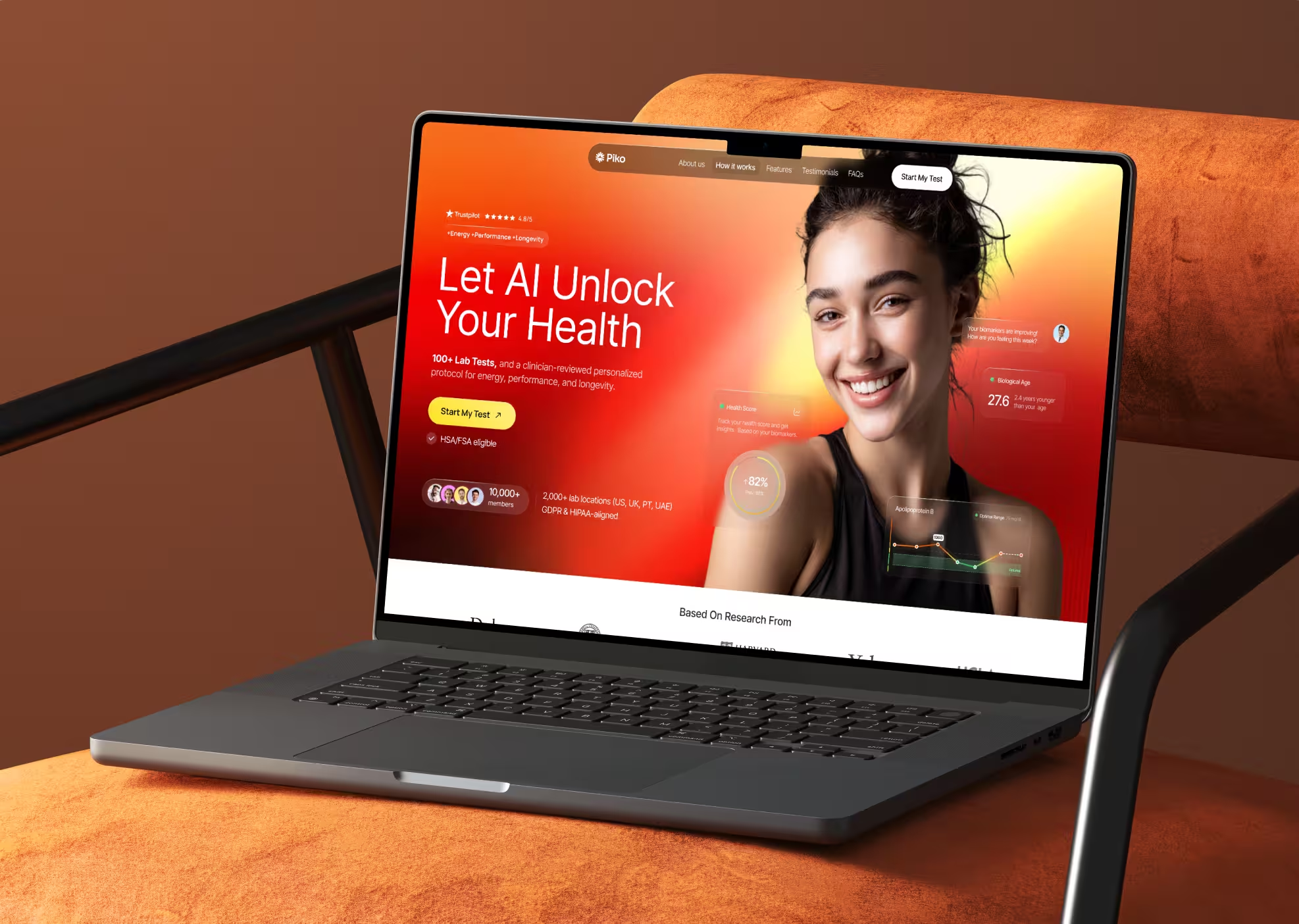
Design for a Personalized Health Platform
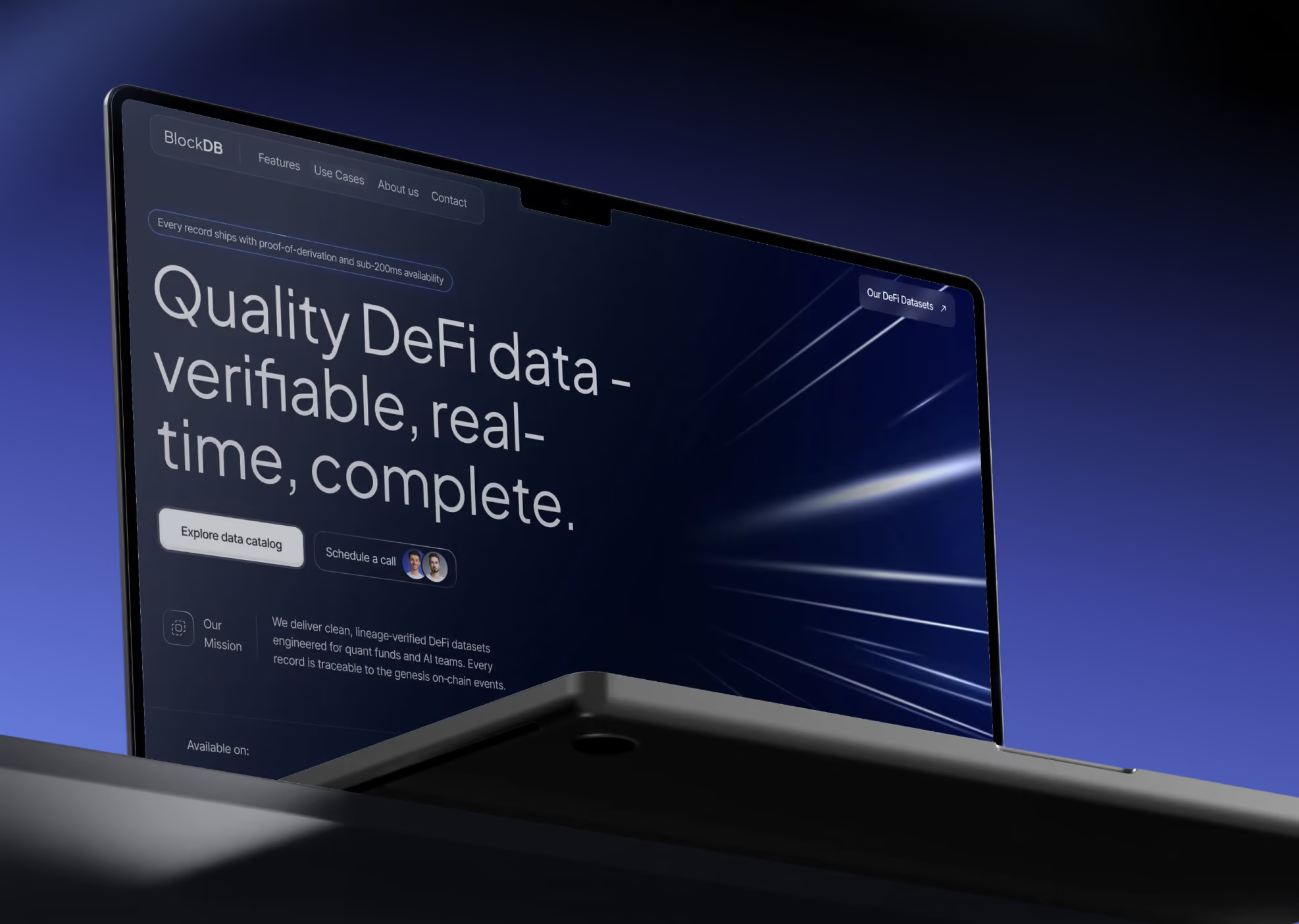
Website Redesign for a DeFi Data Platform

Results We've Delivered Across Products
Over 10+ years of design work, we've learned which UX decisions have the greatest impact on product performance. We focus on the areas that shape user behavior and help companies improve adoption, conversion, and long-term retention.

52%
Increase in Feature Engagement
Clearer page structure and easier navigation helped users understand the platform faster and explore more of its marketing features.

+35%
User Engagement Increase
Cleaner layouts and more readable charts made it easier for traders to explore the platform and engage with more of its tools.

2x
Registered User Growth
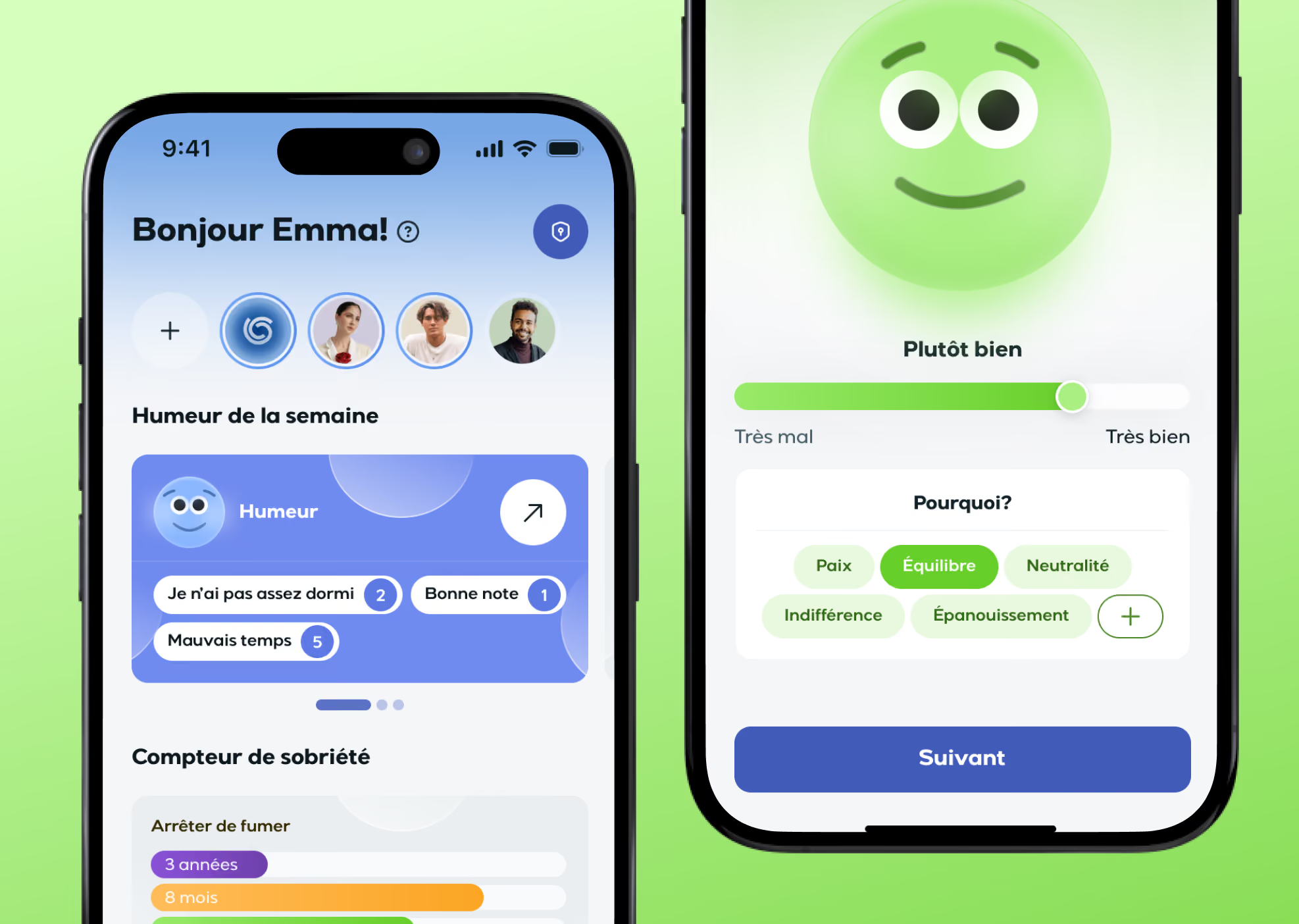
A unified design system made it easier for users to move between FlowFunds touchpoints. This built trust and helped the service grow after launch.



While the growth of our clients is what matters most, it`s nice to get awards




89+ Reviews
on Clutch

Top Rated Plus Agency
on Upwork

Top 50 Trending team
on Dribbble

Projects are Featured on Behance platform

How We Approach Every Project in Amsterdam
We structure each project around clear stages and defined outcomes, so the team knows what needs to be resolved before the work moves forward. Design decisions stay tied to the product direction and the business goal behind the project.

What Strong UI/UX Design Does for Your Product

Makes important tasks simpler to complete
Users should be able to understand what to do next without stopping to figure out the interface. We simplify key flows so important actions take less time and effort.

Helps more users find and use core features
Features cannot create value when people struggle to find them or understand how they work. We make core functionality easier to discover and fit it naturally into the user journey.

Makes future product changes easier to manage
A solid UX structure gives teams room to add new functionality without creating confusion elsewhere in the product. Shared interaction patterns also reduce the amount of old design work that needs to be revisited later.

Clients recognize many reasons to trust our services





“I was impressed with the high levels of detail and polish for all the features.”

Jimmy Hosang
Founder & CEO

“Their professionalism, dedication, responsiveness, and determination are commendable.”

Emil Ljesnjanin
Founder & CEO

“Their expertise and guidance were instrumental. They demonstrated their commitment to creating a product that resonated with our target audience, which led to improved user satisfaction.”

Aetienne Sardon
Founder, MYSO Finance


“Working with Arounda is really smooth in terms of communication and workflow”

Stephane Heip
CMO, Enzyme

Our partners who chose structured execution



We get things done With Quality

HIPAA compliance and WCAG accessibility

End-to-end product delivery

Enterprise-grade design systems

Retention-focused user flows
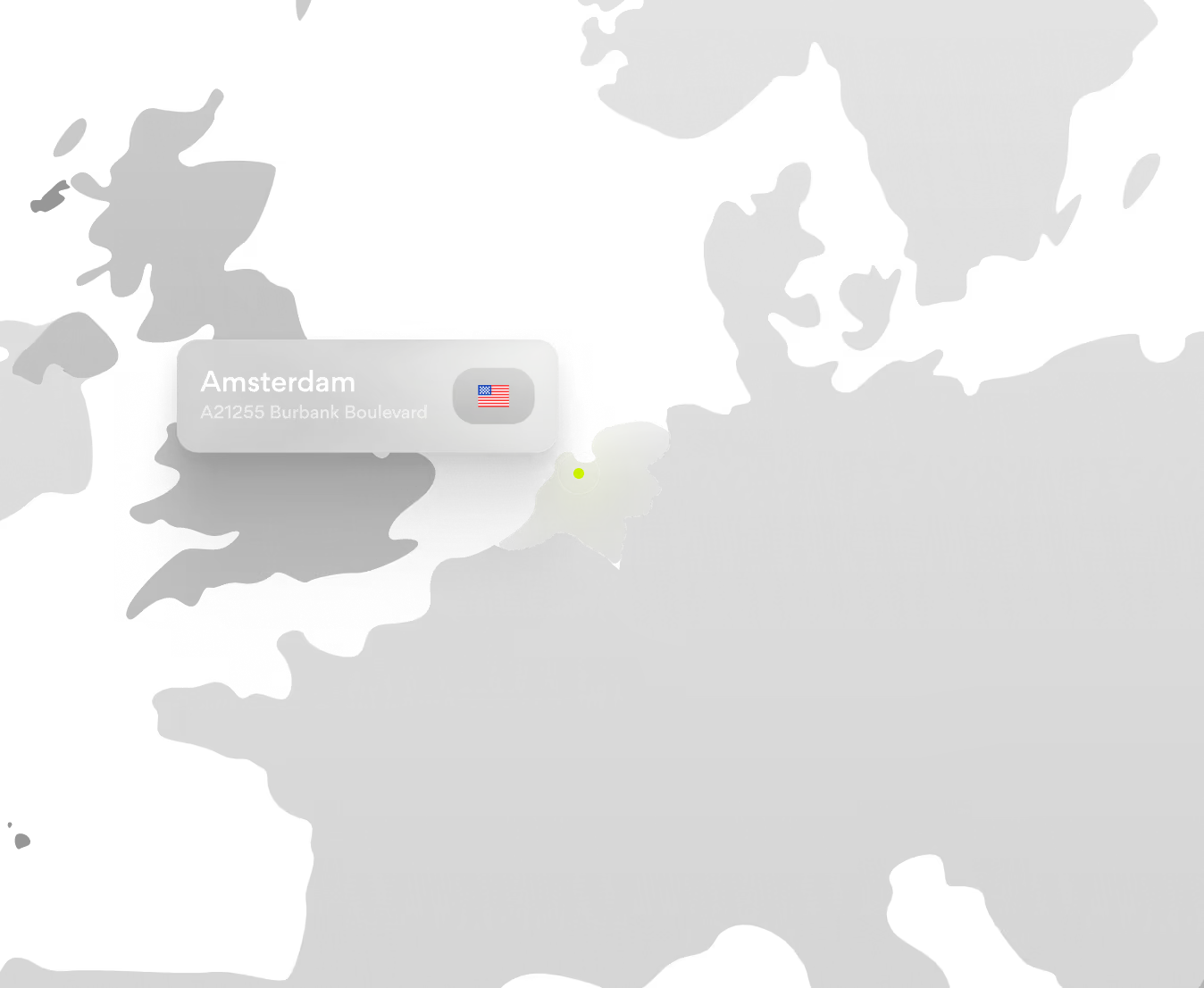
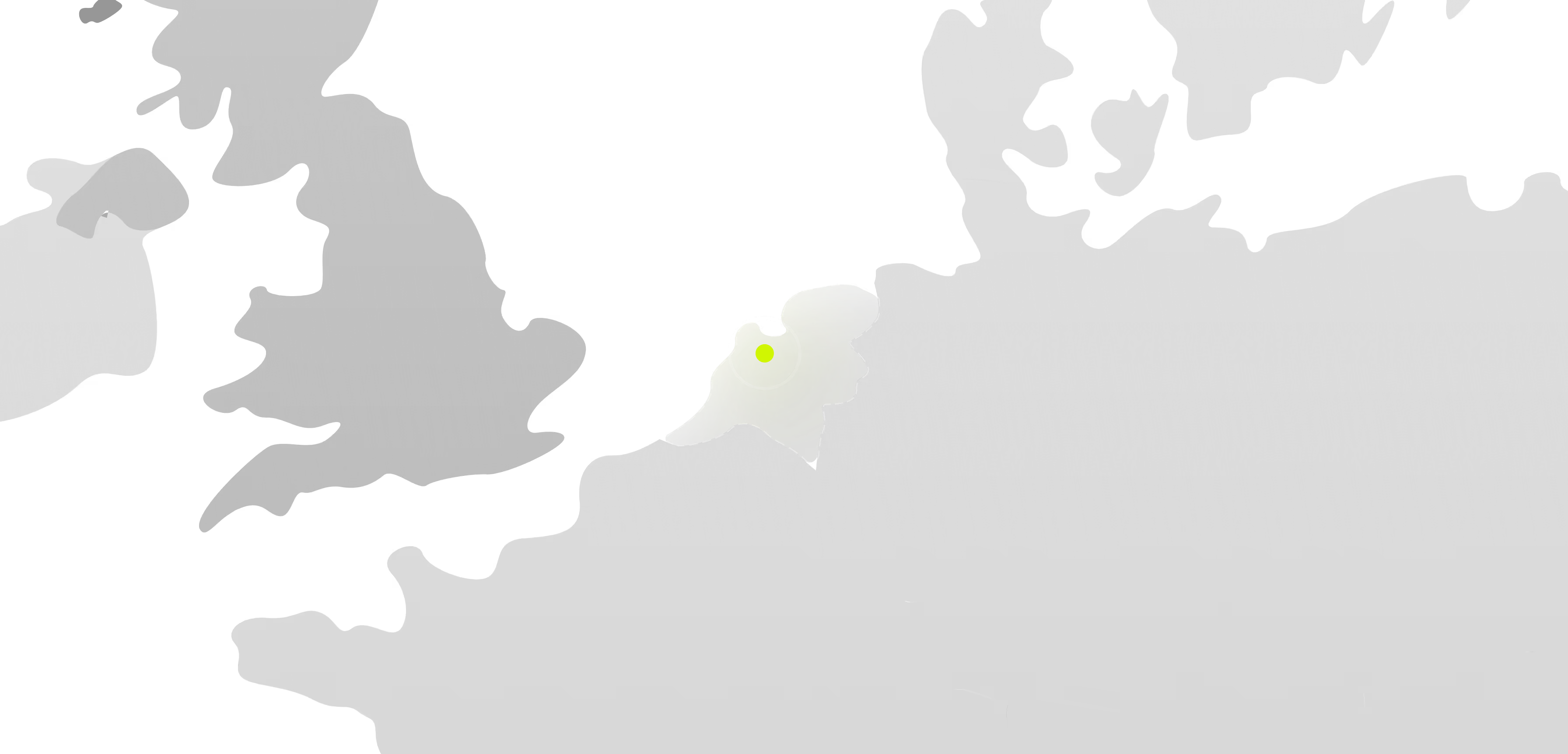
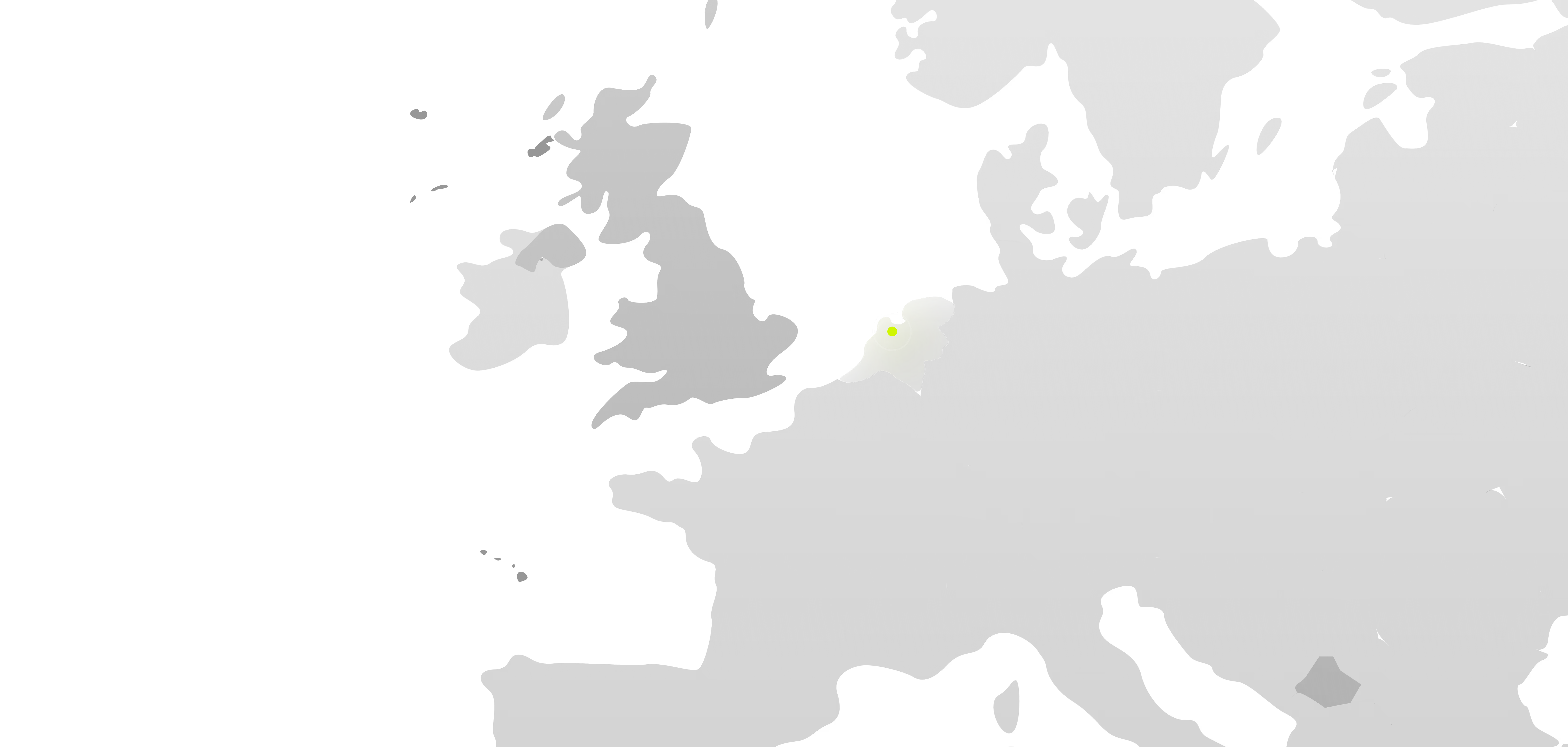
Our location

89+ Reviews
on Clutch
Top Rated Plus Agency
on Upwork
Top 50 Trending team
on Dribbble
Projects are Featured on Behance platform
FAQ on UI/UX design services in Amsterdam
What does a UI/UX design company in Amsterdam do?
Companies usually come to our UI/UX design agency Amsterdam when product issues begin to affect growth. Arounda examines key user flows to find where people hesitate, abandon tasks, or struggle to move forward. These findings help us improve the experience and support stronger adoption, retention, and conversion.
Our team works with SaaS, healthcare, fintech, AI, Web3, and other industries where digital experiences play a meaningful role in business growth. We study how people use the product and where the experience creates unnecessary friction. From there, our designers refine navigation, simplify complex interactions, and make important user actions easier to complete.
Our design services include:
- User flows and information architecture.
- UI/UX design for web and mobile.
- UX/UI audits and product evaluations.
- Design systems and component libraries.
- Branding and visual identity
How do you measure the success of a design project?
As a UX design agency Amsterdam companies work with, Arounda measures success against the goal defined at the beginning of the project. We first agree on the change the design should support, then select metrics that show whether the work produced the expected result.
We usually evaluate four areas:
- Business performance – We track conversion, lead quality, and revenue-related changes. Another important signal is how many users move from initial interest to active use.
- Product performance – Metrics here can include task completion or feature adoption. We may also look at navigation efficiency and the time required to complete key actions.
- User experience – Usability scores help us understand how well the updated experience works. Depending on the project, we also evaluate comprehension, readability, or user confidence during important flows.
- Long-term impact – Retention and repeat use show whether the experience continues to deliver value over time. We also consider how easily the team can expand the product without creating new UX issues.
After launch, we compare user behavior with the original project goal. The results show what improved and where further design work can create the next meaningful gain.
What is your approach to product redesign for established companies?
Companies with an existing digital presence already come with valuable context from user behavior, analytics, customer feedback, and internal teams. We start by identifying what already works and where friction begins to affect business performance.
As a UX design agency in Amsterdam, Arounda focuses redesign work on areas that influence adoption, conversion, retention, and usability. This may include:
- Navigation and information architecture
- Onboarding and activation flows
- Conversion-critical screens
- Areas with usability issues or drop-offs
- Design systems for future releases
- Consistency between different parts of the experience
Our work with Sinta, an HR SaaS platform from the Netherlands, shows how we handle complex UX. The platform had to support HR specialists, managers, and technical interviewers within one recruitment system.
We brought these roles into a unified flow and organized extensive functionality into an intuitive interface. The result was a consistent user experience, distinctive design, and new recruitment functionality without added complexity.
The same approach applies to redesign projects: we improve the areas that affect users and business performance while preserving what already works.
How do you handle design decisions when stakeholders disagree?
Stakeholders often evaluate design from different perspectives. Engineering may focus on practicality, marketing on conversion, and leadership on the effect on the company. These disagreements should be resolved through a shared decision framework with the aid of a UX design company Amsterdam.
Arounda uses three things to guide the discussion: project goals, evidence, and expected user behavior.
- Return to the project goal
We compare each option with the problem defined at the start of the project. The strongest direction should support the business objective and improve the relevant user flow. - Use research and product data
User pain points can be uncovered by analytics. If we want to get beyond just talking about tastes, we can use customer feedback, support queries, heatmaps, or interviews to divert the conversation from subjective opinions. - Explore several directions when needed
Some design problems have more than one viable solution. Our designers can present alternatives, explain the trade-offs, and show how each choice may affect the experience. - Consider actual user behavior
We look at how people move through the experience and where friction appears. This keeps decisions connected to actions such as activation, adoption, or conversion. - Document major decisions
We record the reasoning behind important choices so teams can refer back to it later. This keeps stakeholders aligned and prevents the same discussions from resurfacing.
Different opinions do not have to slow the project. Shared goals and evidence give stakeholders a practical basis for making decisions and moving forward.
What does the onboarding process look like when starting a new project in Amsterdam?
A structured start helps teams align early and avoid delays later. Companies choose Arounda as a UX design firm Amsterdam teams can work with long-term because responsibilities, priorities, and first deliverables are defined from the beginning.
1. Initial conversation
We review the company goals, current challenges, expected outcomes, and project priorities. This is where we align on timing and what the team needs from us.
2. Scope and proposal
Arounda prepares a proposal covering:
- Project scope
- Deliverables
- Timeline
- Team setup
- Budget estimate
This gives both sides a shared view of the work ahead.
3. Kickoff session
Our designers gather key stakeholders and evaluate the materials that will influence the project. These include existing documentation, analytics, prior research, technical constraints, communication processes, etc.
4. Discovery and evaluation
We analyze the present experience to find problems with usability or business performance, and then we revamp it. With new projects, we study users, competitors, and product needs.
5. First deliverables
Early outputs may include user flows, wireframes, UX audit findings, product recommendations, or interface concepts. These give the team something concrete to review within the first stage of the engagement.
How do you ensure design consistency across platforms and touchpoints?
As a UX UI design agency Amsterdam companies work with on complex digital ecosystems, Arounda defines shared design standards that guide how interfaces should look and behave as the business grows. Reusable components establish a common visual language, while documented interaction patterns help teams apply the same logic to new screens and touchpoints.
With the same visual base, marketing can create customer-facing content with ease, while developers can follow specified patterns during implementation.
For example, in our collaboration with FlowFunds, we integrated a single visual system across every platform, including the website, mobile app, and web app. Later on, the same design philosophy influenced printed materials and social media posts, ensuring that consumers could always recognize the brand.
What engagement model works best for long-term product teams?
The right engagement model depends on how much design ownership your internal team already has. Arounda uses two formats for long-term collaboration.
- Dedicated Design Team. For businesses that require constant input from designers, this model is ideal. The team is actively involved in sprint and planning, takes responsibility for certain product areas, monitors the progress of features as they are implemented, and remains engaged when priorities change. Because designers remember why they made certain choices in the past, they may skip the onboarding process for each new version.
- Team Extension. This format fits companies with an established design team that needs extra capacity or specific expertise. Arounda designers join existing workflows and take responsibility for areas such as UX research, a redesign, design system development, or a major new feature.
Both models ensure that the same designers remain involved with the project throughout. Your team can save time by not having to justify past decisions; the architecture remains consistent between releases, and capacity can be increased as needed to match the roadmap.
How do you collaborate with in-house design or development teams?
Arounda works within the processes your team already uses instead of introducing a separate agency workflow.
When we join an in-house design team, our designers work in the same Figma environment and follow the existing component library. They take part in reviews and record decisions that need to stay consistent in future releases. If your team is missing expertise in a specific area, we can take ownership of that part of the work.
With the handoff files, developers already have documentation of the interaction logic, responsive behavior, and edge cases. In order to address any implementation concerns before the product goes live, our designers are present throughout development to answer questions and review builds.