UI/UX Design Agency in Melbourne
Arounda is a UI/UX design company in Melbourne helping SME and enterprise teams simplify complex product experiences, improve adoption, and strengthen conversion, retention, and long-term growth.
on Clutch
completed in various niches
rating on Clutch



Design Services We Offer in Melbourne
Our UI/UX design services in Melbourne cover the full product design process, from early research and UX structure to interface design and redesign. One team leads the work through each stage, with every design decision tied to the product goals defined at the start.
Selected Work for Melbourne Enterprises
Arounda has delivered 500+ digital products, including complex platforms that required stronger product logic and better performance. The selected cases show how our team addressed the main challenge in each project and connected design work with business results.

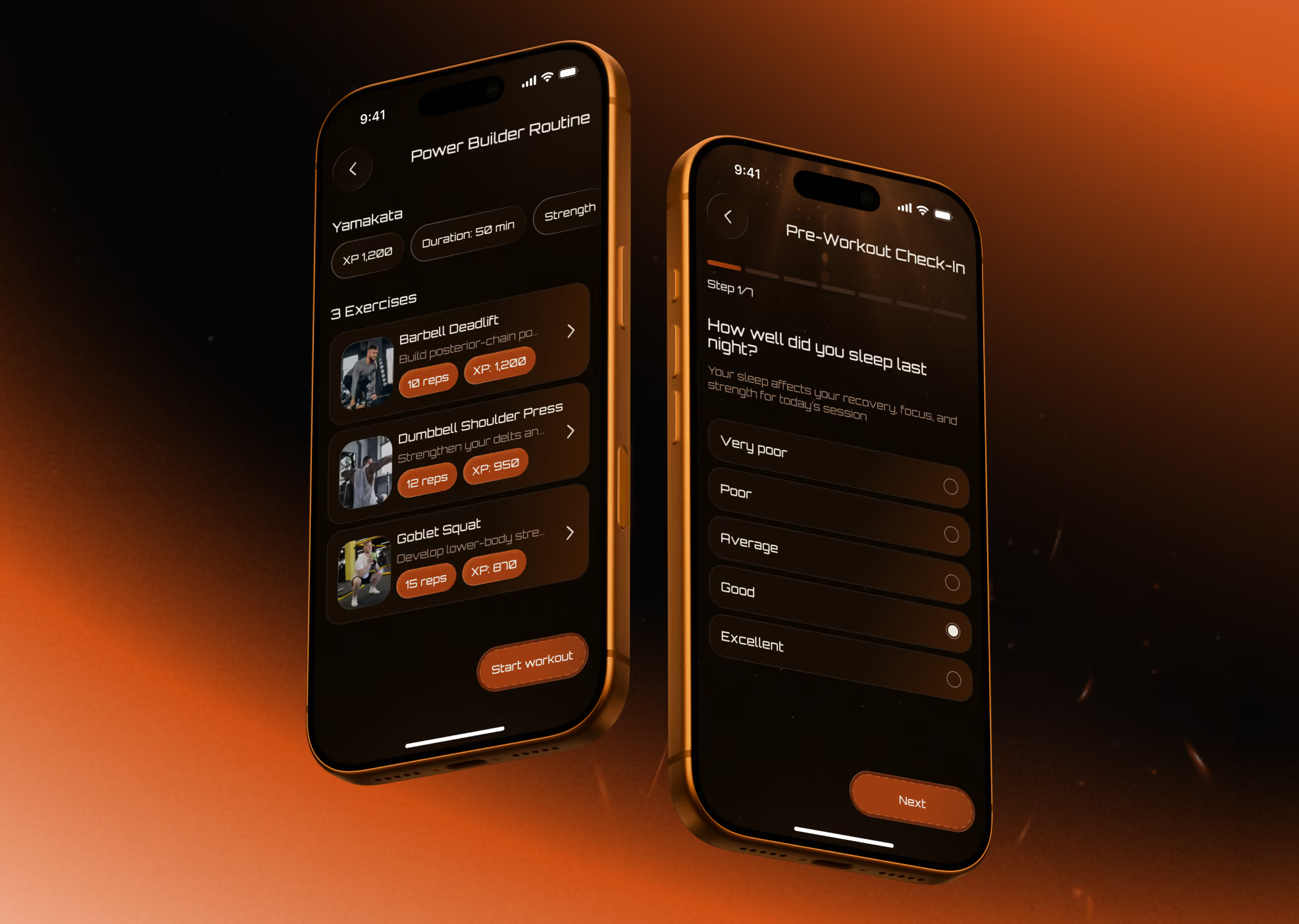
Mobile App Design for a Gamified Fitness Platform
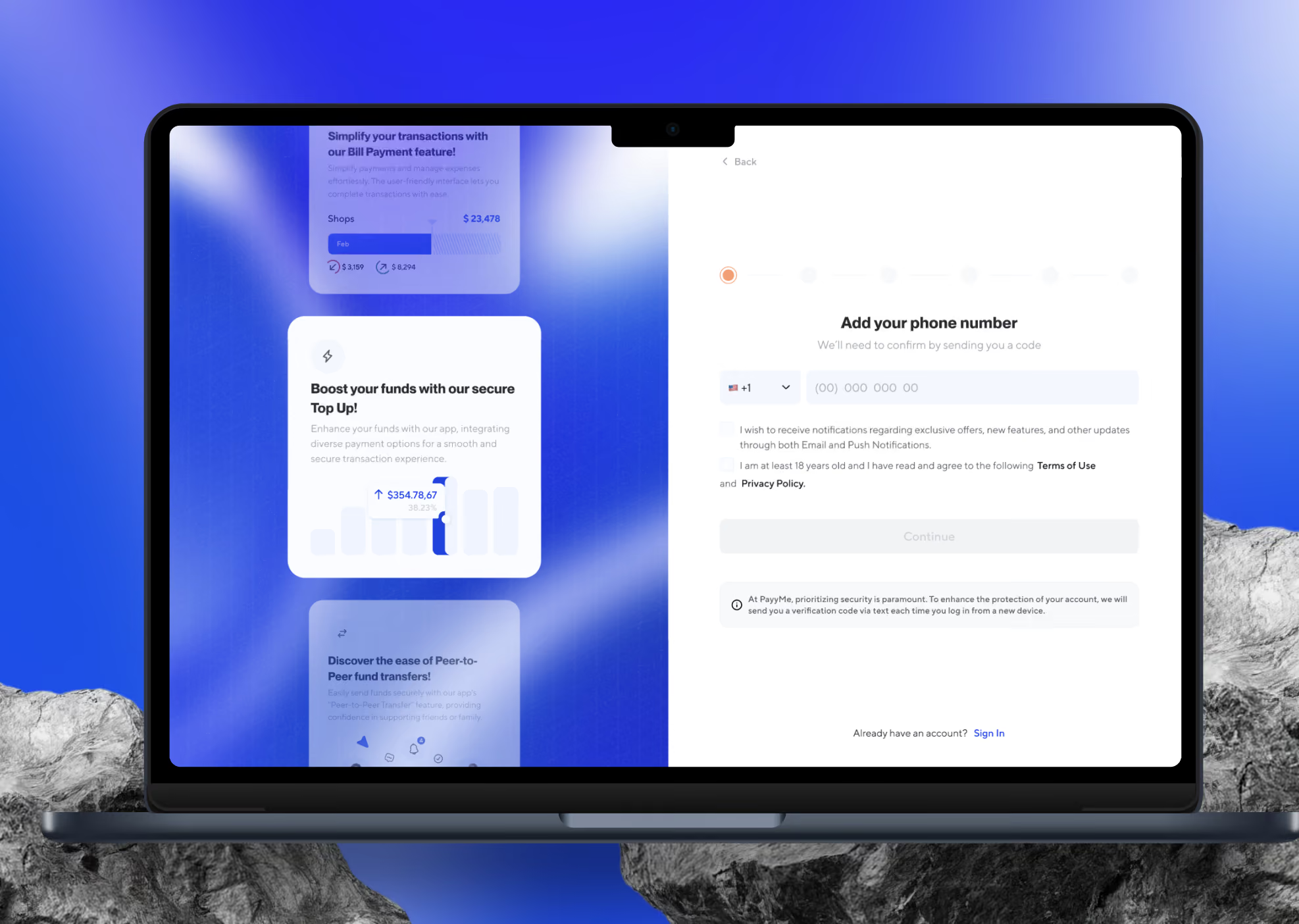
Web App Design for a Digital Banking Platform

Results We've Delivered Across Products
10+ years of product design work have shown our team where weak structure begins to affect user behavior and business performance. We refine the flows that cause hesitation or drop-offs, helping products improve adoption, conversion, and retention.
+74%
Task Completion Rate
Every workout followed a clear progression from effort to reward. Users moved through the experience with confidence and completed key actions without losing track of their progress.

41%
Faster Product Understanding
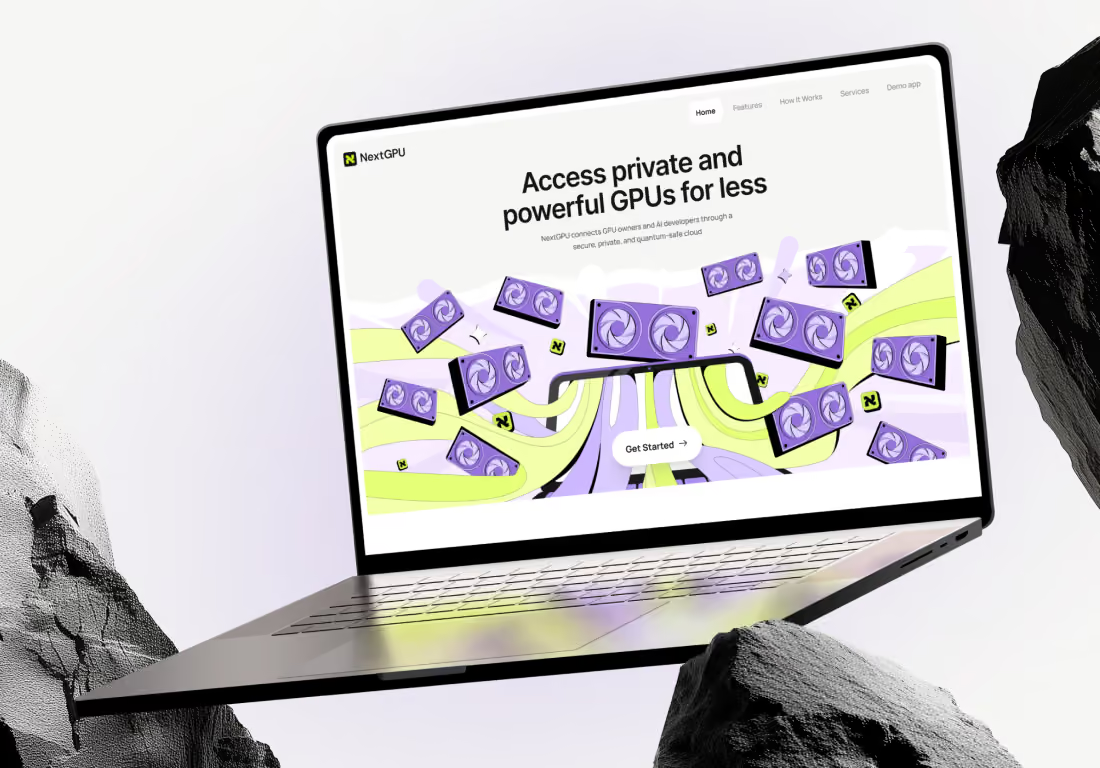
Custom GPU illustrations explained how providers and renters connect, helping visitors understand the platform’s offer faster than with the previous website.

91%
Higher Parent Confidence
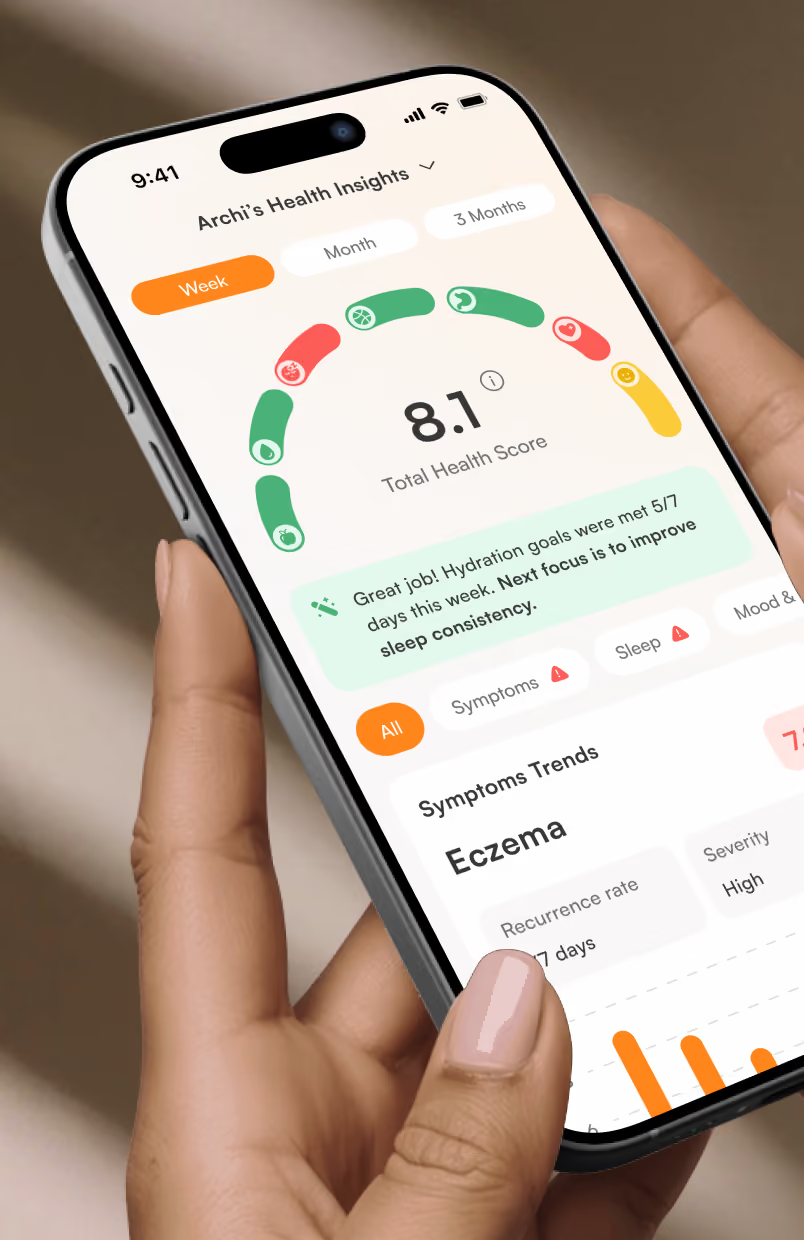
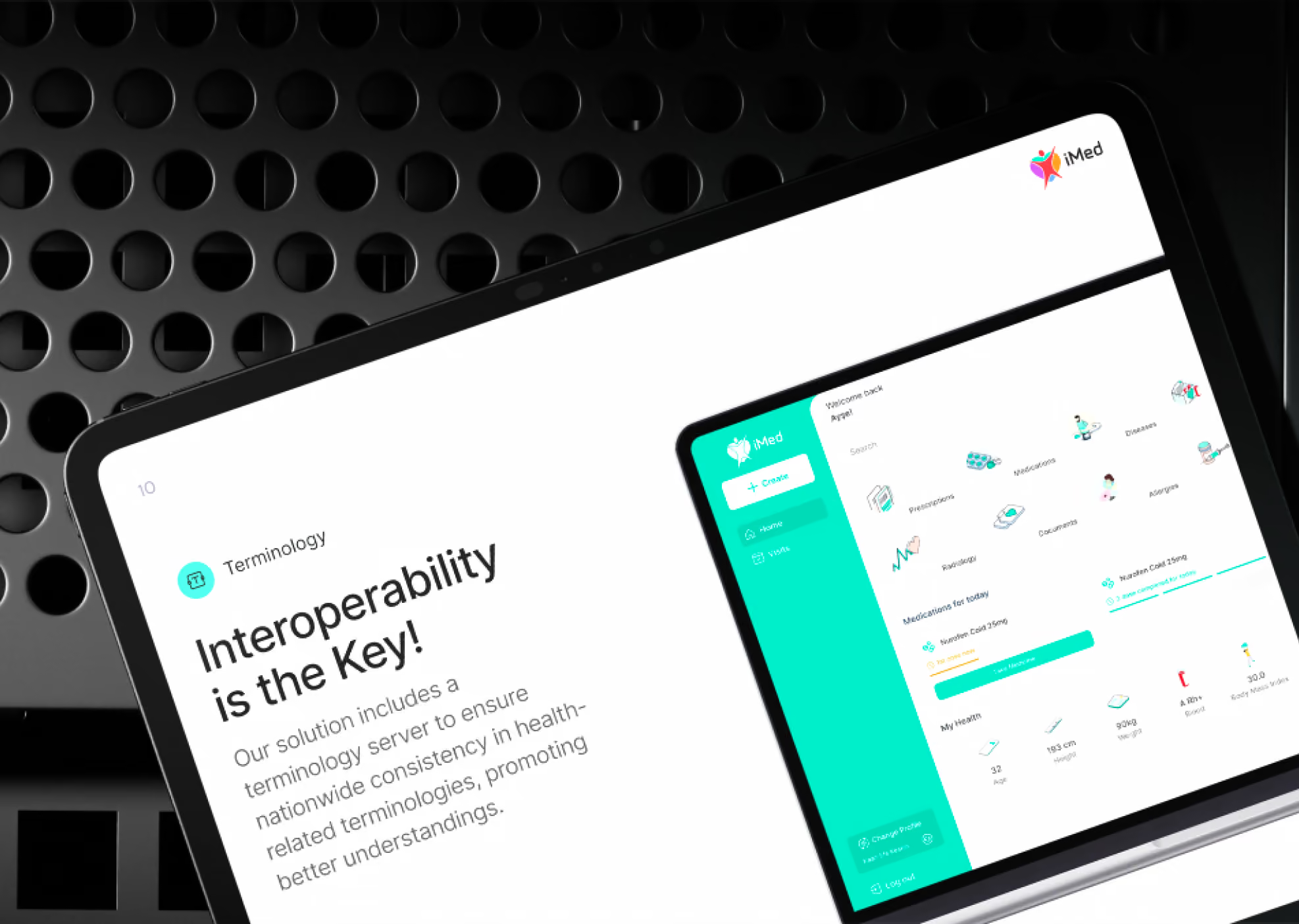
Health HQ made it easier for parents to stay up-to-date on their children's health and make educated decisions by simplifying confusing data.



While the growth of our clients is what matters most, it`s nice to get awards




89+ Reviews
on Clutch

Top Rated Plus Agency
on Upwork

Top 50 Trending team
on Dribbble

Projects are Featured on Behance platform

How We Approach Every Project in Melbourne
We test design decisions against product goals before development starts, then stay involved to help the final product match the approved experience.

What Strong UI/UX Design Does for Your Product

Shortens the Path to Product Value
We remove the steps that slow people down, helping users understand the product and reach a useful outcome sooner.

Gives Users a Reason to Return
Repeat actions should feel familiar. Consistent patterns reduce effort and make the product easier to rely on over time

Keeps Growth from Creating UX Debt
Teams don't have to spend as much time fixing old screens as the product grows because new features are in line with shared components and interaction rules.

Clients recognize many reasons to trust our services





“I was impressed with the high levels of detail and polish for all the features.”

Jimmy Hosang
Founder & CEO

“Their professionalism, dedication, responsiveness, and determination are commendable.”

Emil Ljesnjanin
Founder & CEO

“Their expertise and guidance were instrumental. They demonstrated their commitment to creating a product that resonated with our target audience, which led to improved user satisfaction.”

Aetienne Sardon
Founder, MYSO Finance


“Working with Arounda is really smooth in terms of communication and workflow”

Stephane Heip
CMO, Enzyme

Our partners who chose structured execution



We get things done With Quality

HIPAA compliance and WCAG accessibility

End-to-end product delivery

Enterprise-grade design systems

Retention-focused user flows
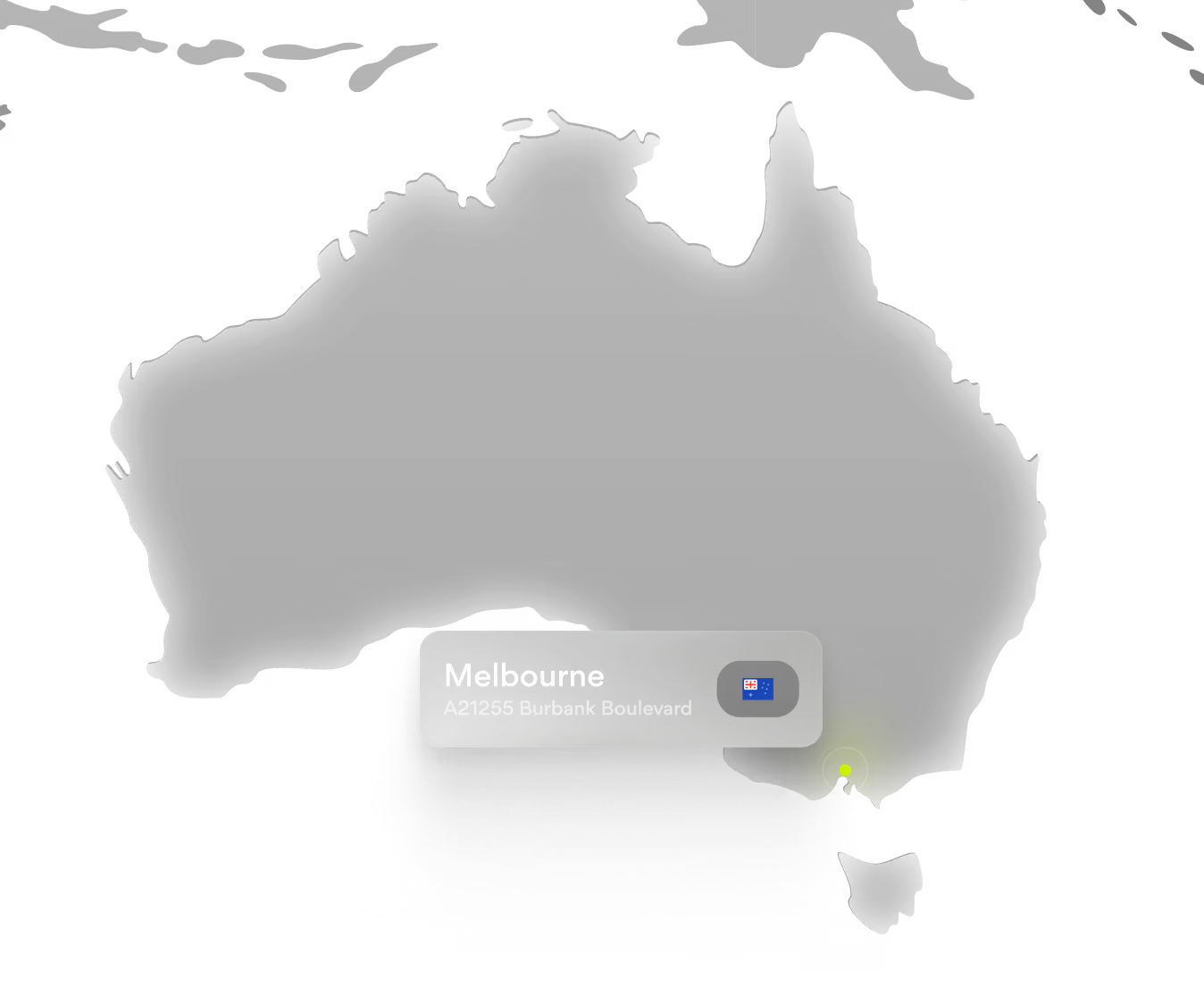
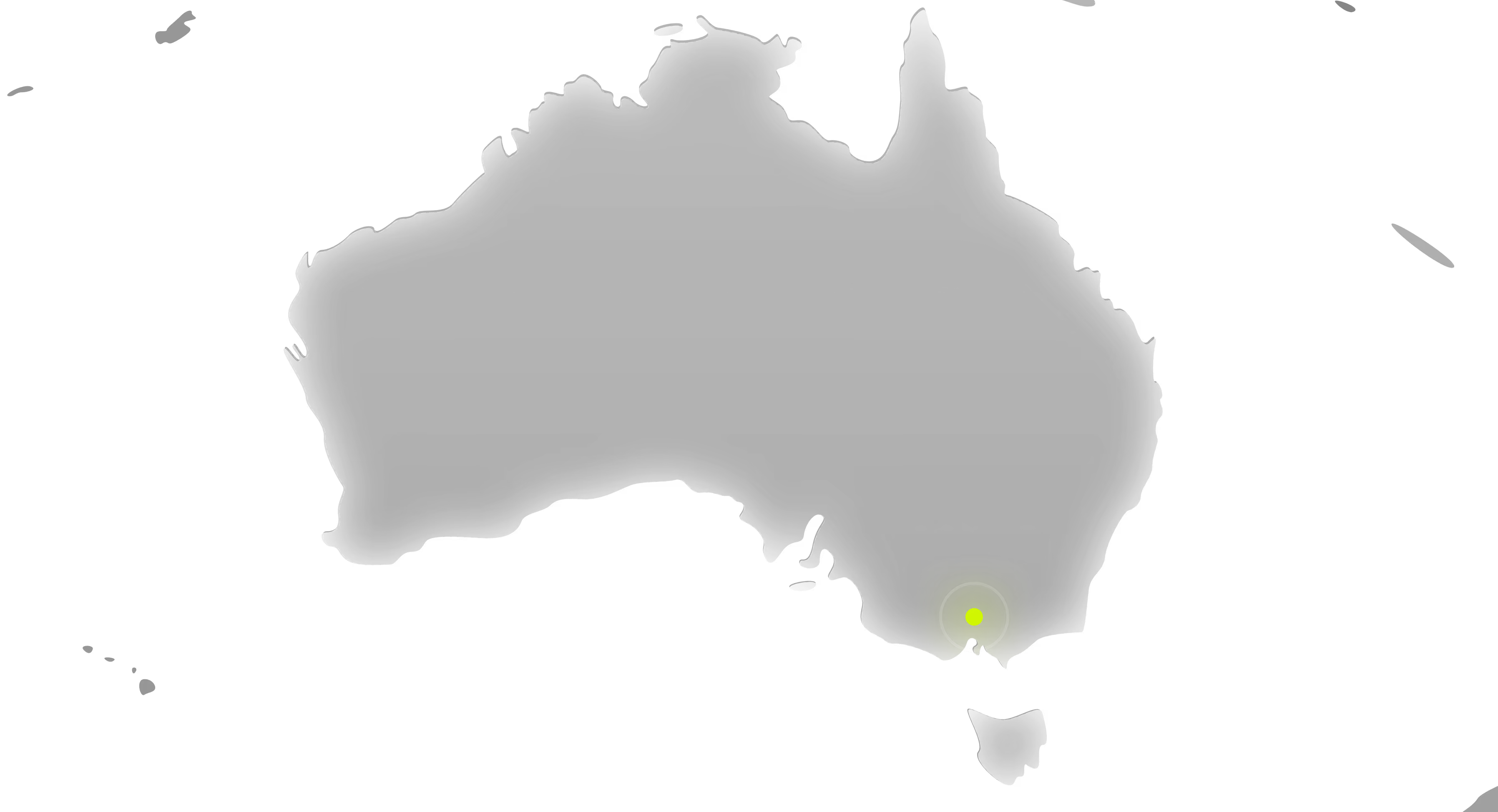
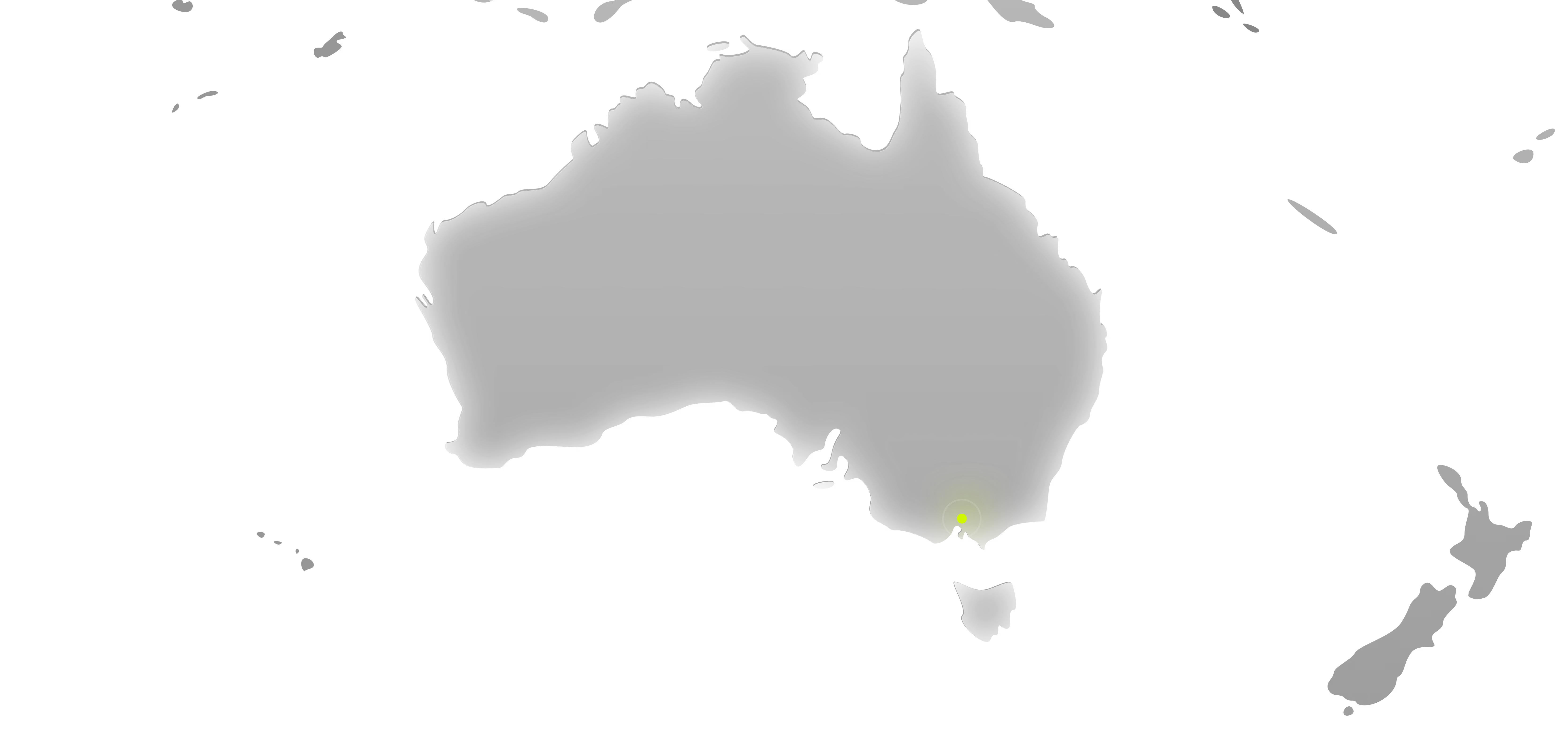
Our location

89+ Reviews
on Clutch
Top Rated Plus Agency
on Upwork
Top 50 Trending team
on Dribbble
Projects are Featured on Behance platform
FAQ on UI/UX design services in Melbourne
What does a UI/UX design company in Melbourne do?
As a UI/UX design agency Melbourne businesses work with, Arounda improves how people understand, navigate, and use digital products. We design new websites, mobile apps, and enterprise platforms, and redesign existing products when their structure no longer supports current user or business needs.
Arounda can take ownership of:
- Web and mobile UI/UX design
- Branding and visual identity
- Web and MVP development
The scope starts with the product issue behind the request. Some companies need to simplify a difficult user journey. Others want to improve conversion, increase feature adoption, or bring consistency to an interface that several teams have expanded over time.
Our designers study the product logic, user behavior, and commercial priorities before defining the work. This helps the team address the source of the problem instead of applying surface-level interface changes.
Arounda has delivered 500+ digital products in SaaS, fintech, healthcare, AI, Web3, and other complex sectors. This experience helps us spot structural UX issues early and choose an approach that fits the product, technical setup, and stage of growth.
How do you measure the success of a design project?
As a UX design agency Melbourne businesses work with, Arounda measures success against the product goal set at the start. We agree on the expected change first, then choose the metrics that can prove whether the design work made a real difference.
We usually look at four areas:
- Business growth - Conversion, lead quality, revenue-related metrics, and the share of users who move from interest to active use.
- Product performance – Task completion, feature adoption, navigation efficiency, and the time users need to finish key actions.
- User experience – Usability scores, comprehension, readability, and confidence during important product flows.
- Long-term impact – Retention, repeat use, and the team’s ability to add new features without creating new UX problems.
After launch, we review how users behave in the updated product, compare the results with the original goal, and identify where the next improvement should happen.
What is your approach to product redesign for established companies?
Established products already have learned behaviors, internal workarounds, and features people depend on every day. A redesign should improve weak areas without disrupting what still works.
Our UX design agency in Melbourne separates structural problems from visual ones before changing the interface:
- Behavior: We review analytics, support requests, and core journeys to find drop-offs, delays, and workarounds.
- Product logic: We examine navigation, roles, permissions, and feature relationships to identify problems beneath the UI.
- Familiarity: We keep workflows users already understand and rebuild only the areas creating friction.
- Future releases: We update components and interaction rules so teams can add features without repeating old inconsistencies.
This method provides internal teams with a solid basis for future releases while also making the product more user-friendly for current users.
How do you handle design decisions when stakeholders disagree?
Stakeholder disagreement usually means the team is evaluating the same design from different priorities. Product leaders may focus on business impact, developers on feasibility, and users on how easily they can complete a task. As a UX design company Melbourne businesses bring into complex projects, Arounda gives everyone a shared basis for making the decision.
Our team supports the discussion with:
- Decision records that document the options considered, the selected direction, and the reasoning behind it.
- Prototype comparisons that let stakeholders review different solutions in context instead of debating static screens.
- UX evidence from research, analytics, audits, support feedback, and usability testing.
- Business criteria that connect each option to conversion, adoption, retention, or another agreed product goal.
- Evaluation of the solution's compatibility with the existing architecture, development capabilities, and release schedule through technical evaluations.
Then, before the team settles on a course of action, we put trade-offs into the open. All parties involved can observe the benefits, drawbacks, and necessary steps for implementing each choice. Because of this, designers and developers are able to make a decision based on solid evidence rather than subjective opinions.
What does the onboarding process look like when starting a new project in Melbourne?
Every project with our UX design firm Melbourne team starts with a kickoff session. We confirm what needs to be designed, who approves decisions, what materials already exist, and which product outcomes matter most.
The setup covers:
- People involved: Your key contacts, decision-makers, our designer, and project manager.
- Access and files: Figma, current product screens, design libraries, documentation, analytics, and brand assets.
- Product context: Existing research, technical constraints, roadmap priorities, and known UX problems.
- Working process: Communication channels, review schedule, feedback format, and approval flow.
- First delivery: Scope, timeline, initial tasks, and expected output for the opening stage.
The first task depends on the product. We may begin with a UX audit, stakeholder interviews, competitor research, wireframes, or UI concepts.
Most teams receive the first useful output within one or two weeks. This could be audit findings, revised user flows, wireframes, sitemap changes, or an initial design direction.A free three-day trial lets your team test the collaboration on one real product task before starting a larger project.
How do you ensure design consistency across platforms and touchpoints?
A product should still feel familiar when users move from the website to the app, open an admin panel, or use a newly released feature. Our UX UI design agency Melbourne team creates shared rules early, then applies them to every platform and product area.
We keep consistency through:
- Design concepts that outline how the product will look and how users will interact with it.
- Reusable parts for frequently used components, including tables, filters, navigation, forms, and system states.
- UX guidelines ensure that the product's responsiveness and navigation remain consistent.
- The documentation for the design system details the proper use of each component.
- By conducting design reviews during development, we can ensure that the finished product is in line with the approved designs.
Teams can add features with this structure without having to introduce a new pattern every time. Users don't have to put in as much time learning the interface, and developers don't have to redesign components that currently exist.
What engagement model works best for long-term product teams?
Long-term design work benefits from continuity. Designers who know the product history, technical limits, and release priorities spend less time rebuilding context and make better decisions from one release to the next.
We usually recommend one of two models:
- Dedicated Product Design Team. Best for companies with a continuous product roadmap. The same designers stay involved in planning, UX, UI, testing, handoff, and future releases. They take responsibility for the product experience over time and work closely with product and engineering.
- Team Extension. A good fit when an internal team needs more capacity or a specific skill set. Arounda designers join the existing workflow and own a defined area, such as onboarding, a new feature, a mobile app, a design system, or a UX audit.
A longer partnership reduces onboarding time with every new task. The team already understands past decisions and current priorities, so work moves forward with fewer explanations and less rework.
How do you collaborate with in-house design or development teams?
Arounda works inside the process your team already uses. We align on ownership, feedback, handoff, and release routines at the start, then take responsibility for a defined part of the product.
Our designers can:
- Own a product area such as onboarding, dashboards, mobile flows, or a new feature.
- Extend the design system with missing components and practical usage guidance.
- Prepare Figma files with responsive states, edge cases, and interaction details developers can use directly.
- Review the build and resolve design questions before they create extra revision cycles.
Your team keeps control of product decisions, while Arounda adds the capacity or specialist support the roadmap requires. Documented decisions and organized handoff files help developers move forward without repeatedly asking designers to explain the same logic.